Notes on studying smarter.
Guidance on planning, deadlines, and getting the most out of your semester.

Student Planner Apps Compared: MyStudyLife, Shovel, Notion and Qumely
Choose a student planner by the job you need it to do: manage a timetable, allocate study time, organize notes or review syllabus deadlines. A documented four-app comparison.

Build a Notion Assignment Tracker That Keeps Unfinished Work Visible
A small Notion database can track college assignments without an elaborate dashboard. Build useful views, separate due dates from work dates, and check the records that filters can hide.

Paper or Digital Planner for College? Try a One-Week Decision Plan
Paper, digital and hybrid planners can all be useful. This one-week decision plan helps you compare access, deadline changes and upkeep using your actual college routine.

How to Plan an Asynchronous Online Course Without Falling Behind
An asynchronous course still has a sequence. Map module releases, discussion posts, replies and quizzes into a workable week instead of saving everything for Sunday.

A College Group Project Timeline That Leaves Time to Combine the Work
Four finished sections do not automatically make one finished project. Build a timeline that includes dependencies, review, integration and a clear submission owner.

Research Paper Timeline: Plan Backward From the Deadline
Plan a research paper around decisions and usable drafts, not just a word-count target. Work backward from submission while leaving room for research to change the argument.

How to Make a College Reading Schedule You Can Actually Finish
A chapter, research article and seminar text need different kinds of attention. Build a reading schedule around what each assignment prepares you to do, then check the time it needs.
Canvas Due Dates and Time Zones: Which Time Should You Follow?
A deadline can display on different dates in two time zones. Learn how to check the same Canvas assignment, identify the actual cutoff and keep your planner accurate.

How to Switch Student Planners Mid-Semester Without Losing Deadlines
A planner migration is complete when the remaining work matches your current course sources—not when every old calendar entry has been copied. Use this practical reconciliation method.

An ADHD Student Planner Setup for College With Fewer Moving Parts
A practical way to evaluate and set up a college planner when maintaining the system is part of the challenge. Includes a worked example and university support resources.

How to Turn a Syllabus Into a Calendar Without Missing Key Details
Use a review-first syllabus-to-calendar workflow that captures real requirements without turning uncertain dates into false calendar events.

How to Organize Multiple Syllabi for One Semester
Turn several course outlines into one manageable semester workspace without flattening every document into an unreliable list of dates.

How AI Syllabus Parsers Work—and What You Must Verify
An AI syllabus parser can accelerate capture, but the useful result is reviewable structured data—not a calendar full of unverified guesses.

Free College Semester Calendar Template With a Worked Example
Map courses, assessments, fixed commitments, and likely heavy weeks in one reusable semester-planning workbook.

A 20-Minute Sunday Planning Routine for College Students
A practical weekly reset for turning a semester map and assignment list into an executable college plan.
What Assignment Should You Do First? A College Priority Method
A transparent priority method for deciding the next academic task without relying on one magic score.
How to Prioritize Assignments by Grade Weight Without Ignoring Effort
A grade-weight-aware college planning method that avoids treating percentage alone as the correct order of work.

How to Divide Study Time Between Multiple Exams
A transparent multi-exam allocation method with a worked plan and editable finals schedule.
What to Do When You Have Two Exams on the Same Day
A two-part response for same-day exams: official conflict resolution where available, plus a realistic personal study plan.

How to Build a Spaced Study Schedule That Fits a Real Semester
A research-informed semester workflow for turning spacing and retrieval practice into realistic calendar sessions.

How to Catch Up on Assignments When You Are Behind
A practical backlog-recovery method for deciding what can still be completed, communicated, reduced, or removed.
How to Add Canvas Assignments to Google Calendar
A cautious Canvas-to-Google Calendar workflow that keeps Canvas as the authoritative course source.

What an AI Student Planner Should Actually Do—and What to Verify
A practical category guide for separating real academic planning from generic AI-generated schedules.
What to Do When a Syllabus Has Missing or TBD Due Dates
A missing due date should become an explicit verification task—not a made-up calendar event or a forgotten assignment.

Syllabus vs LMS: Which Deadline Should You Trust?
When two course sources disagree, the answer is not automatically “trust the LMS” or “trust the syllabus.” Use a short verification sequence.
What to Do When a Professor Changes an Assignment Deadline
A deadline change is not just a calendar edit. It can move work blocks, create a new collision, or free capacity somewhere else.

What to Do When Multiple Assignments Are Due at Once
A deadline pile-up needs an executable order of work, not a longer list of generic time-management tips.

What to Do After Missing an Assignment Deadline
A missed deadline needs a factual response: verify what is still possible, communicate precisely, and prevent one late task from breaking the rest of the semester.
How to Track Recurring College Assignments Without Losing One
Recurring coursework is easy to miss when one repeating reminder hides cancellations, break weeks, or separately published tasks.
How to Build a Weekly Assignment Plan From Your Master List
The master list tells you what exists. A weekly plan decides what will actually move during the next seven days.
How to Fix Duplicate Assignments and Conflicting Calendar Entries
Two similar calendar events may be duplicates—or distinct deadlines, milestones, and study reminders. Verify before deleting either one.

A Realistic Five-Course College Study Schedule Example
A complete worked example showing how five courses can share limited weekly time without receiving equal hours.

Syllabus Week Checklist for College Students
A focused checklist for turning syllabus week into a verified course, deadline, and semester-planning setup.

How to Plan a Summer Semester With Accelerated Courses
A practical method for handling accelerated summer courses without treating a short term like a normal semester.

End-of-Semester Reset: Close the Term and Prepare for the Next
A practical end-of-semester reset that separates closeout, learning, and preparation for the next term.

How to Balance Five Classes Without Giving Every Course Equal Time
A multi-course planning method that replaces equal-time scheduling with transparent, reviewable allocation.

How Many Hours Should You Study per Week in College?
A research-conscious way to translate general study-hour guidance into a personal weekly capacity plan.
How to Estimate How Long an Assignment Will Take
A practical college assignment-estimation method built around remaining work, ranges, dependencies, and calibration.

How to Fit Schoolwork Around a Job Without Hiding Your Limits
A fixed-commitment planning method for working students who need school and paid work to share one realistic week.
How to Divide Study Time Between Subjects
A transparent subject-allocation method for deciding how much attention each college course needs this week.

Which Exam Should You Study for First?
A practical exam-priority method that avoids choosing only the nearest or highest-weight test.

A Last-Minute Finals Study Plan for the Next Three Days
A last-minute finals plan for students with three days left—focused on retrieval, prioritization, and realistic tradeoffs.

How to Plan a Study Group for Multiple Exams
A study-group planning workflow for multiple exams that prevents the meeting from becoming unfocused review.

Dead Week Study Plan: Build a Realistic Schedule Before Finals
A US-focused dead week plan for turning the transition before finals into an executable multi-course schedule.

How Early Should You Start Studying for Finals?
A research-informed answer to when finals preparation should begin, without pretending one start date fits every course.
How Often Should You Review What You Study?
A research-informed review-frequency method that adapts to the material and your actual retrieval performance.
The 1-3-7-14 Study Schedule: Useful Template or Fake Precision?
A research-informed look at when the 1-3-7-14 review pattern can help and when its fixed timing becomes misleading.

How to Stop Cramming for Finals and Start Spacing Your Study
A practical transition from last-minute finals study to a spaced schedule that can survive real coursework.

How to Restart a Study Schedule After Missing Several Days
A manual replanning workflow for recovering after several missed study days without restarting the entire schedule.

Too Overwhelmed to Start Assignments? Use This 15-Minute Reset
A non-medical first-action workflow for moments when assignment overload makes it hard to decide where to begin.

How to Recover From Procrastination Without Rebuilding Everything
A practical, non-medical recovery process for accumulated academic delay without replacing your entire planning system.

Reading Week Catch-Up Plan for College Students
A Canadian/Commonwealth reading-week catch-up plan that balances overdue work, upcoming deadlines, and genuine recovery.

Why Canvas Assignments Are Missing From Your Calendar
A source-first Canvas calendar checklist for finding undated, hidden, changed, or externally delayed assignments.

How to Merge School Calendars Without Creating Duplicate Assignments
A calendar-architecture method for combining LMS feeds, institutional dates, classes, deadlines, and personal study blocks.

How to Evaluate an AI Study Schedule Before You Follow It
A verification checklist for deciding whether an AI-generated academic schedule is safe and useful enough to follow.

Gemini Notebook and Google Calendar: A Practical Study-Stack Workflow
A practical two-tool study workflow that separates official course sources, learning artifacts, and calendar commitments.
How to Keep Track of Every College Assignment in One Reliable System
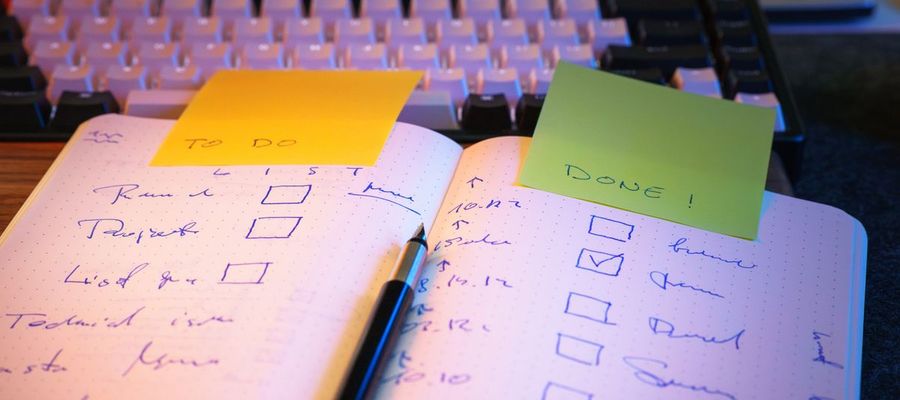
Build one reliable cross-course assignment system from syllabi, LMS pages, and instructor updates—then verify and maintain it when dates change.
Free College Assignment Tracker Template With Master and Weekly Views
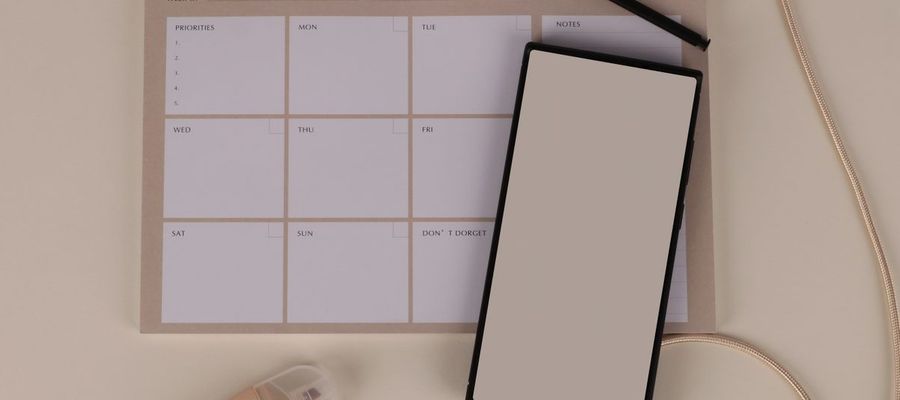
Download a college assignment tracker with master and weekly views, source/TBD handling, changed-date tracking, and a realistic multi-course example.
How to Plan a College Semester That Can Survive Changes
Create a realistic semester map from official course information and fixed commitments, identify likely crunch periods, and reset the plan when dates change.

Build a Research-Informed Finals Study Schedule for Multiple Exams
Build an editable multi-exam study schedule that keeps live coursework visible and uses carefully qualified spacing and retrieval-practice principles.